Urban Development Planning
India's Heat Economy: The Rising Business Cost of Extreme Heat
September 28, 2026

All findings are drawn from cited primary sources (IMD, World Bank, CEEW, WHO/WMO, Government of India, and peer-reviewed research). Financial illustrations are hypothetical and clearly marked as such.
Executive Summary
Extreme heat has moved from an environmental and public-health concern to a measurable operational and financial risk for Indian businesses. India's long-term climate record shows sustained warming, and a growing body of Indian and international research links rising heat to falling worker productivity, higher absenteeism, altered labour and capital allocation, and rising energy costs. This case study synthesises that evidence into a client-ready business narrative and proposes a five-part advisory framework Predict, Protect, Reschedule, Cool Efficiently, Measure, that positions heat resilience as a new, quantifiable line of client engagement for risk, ESG and operations-strategy practices.
India's annual mean temperature rose 0.68°C per century over 1901–2024, with maximum temperature warming faster (0.89°C/century); 2024 was the country's warmest year on record [1]. CEEW's district-level assessment finds 57% of India's 734 districts, home to roughly 76% of the population in high or very high heat risk categories [2]. Academic research on Indian manufacturing finds that annual plant output falls by approximately 2% for every 1°C rise in temperature [3], and more recent firm-level research finds heat stress is already reshaping the labour share of sales through capital labour substitution [4]. At a regional scale, the World Bank estimates extreme heat already costs South Asia the equivalent of nearly 31 million full-time jobs a year, with the region's economy potentially shrinking by close to 7% by 2050 [9].
Why this matters to the firm
Heat resilience sits at the intersection of three growing advisory demand pools, climate risk, ESG/occupational safety, and operational cost efficiency giving practices a defensible, evidence-based entry point into a new engagement category that has not yet been commoditised in the Indian market.
1. The Business Problem: Heat Is Becoming an Operational Risk
Climate risk discussions typically centre on floods, cyclones or physical asset damage visible, discrete events. Heat behaves differently: a facility can remain fully operational while the productive capacity of its workforce silently declines. This makes heat one of the hardest business risks to observe, because its cost is absorbed inside ordinary operating expenditure rather than appearing as a discrete loss event.
How heat cost hides inside normal operations
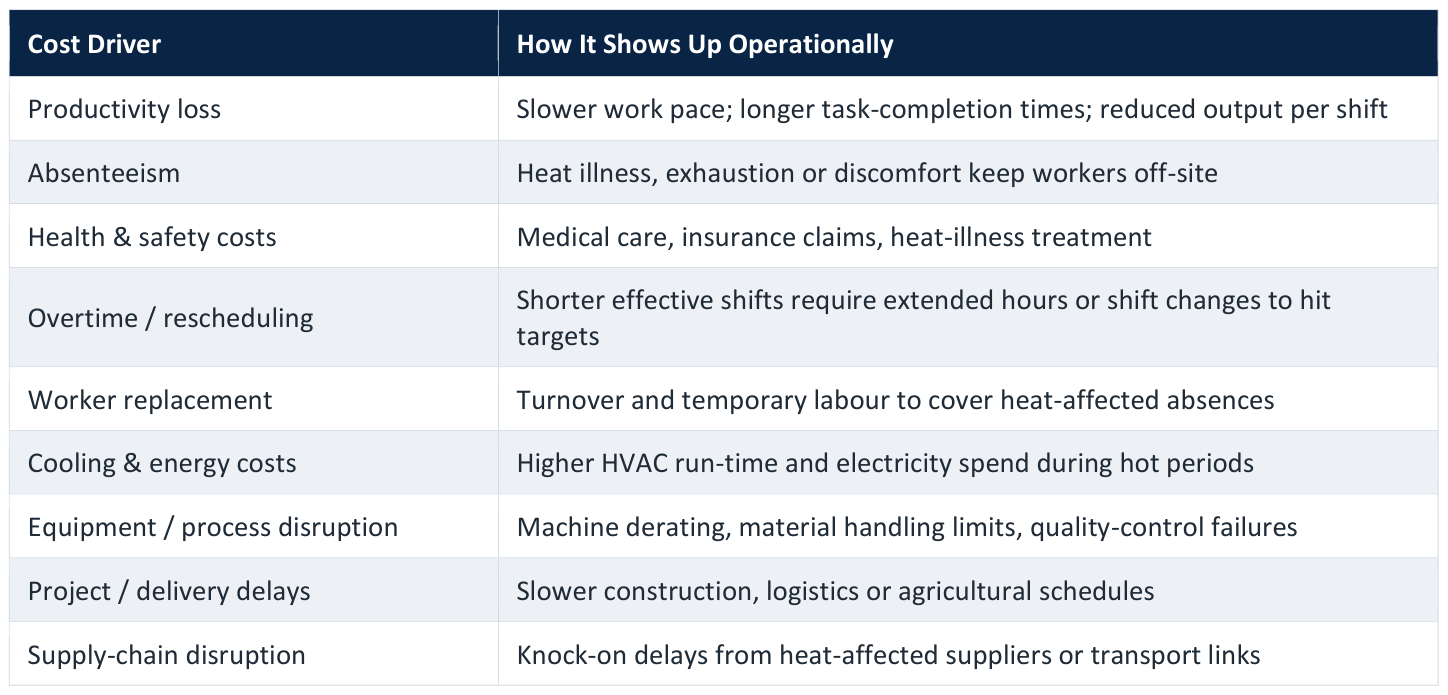
Not every company incurs all nine cost lines magnitude varies by sector, geography and workforce exposure.
2. India Is Getting Warmer
2.1 A long-term, statistically significant trend
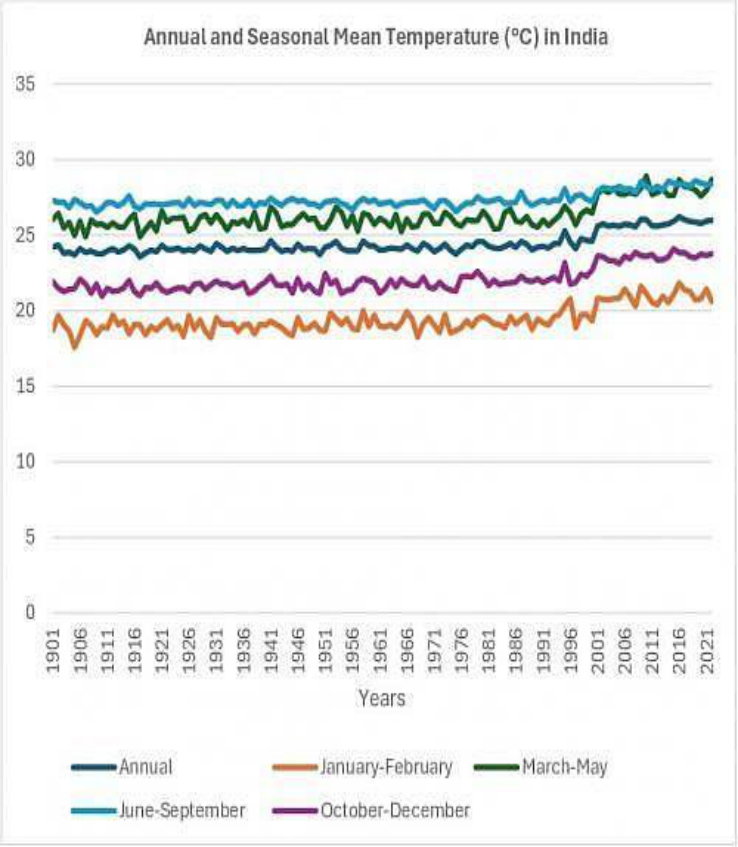
IMD's century scale observational record (1901–2024) shows a statistically significant warming trend across India: mean temperature +0.68°C/century, maximum temperature +0.89°C/century, minimum temperature +0.46°C/century [1]. The faster rise in maximum temperature is especially relevant for outdoor and heat-exposed workers, while rising minimum (night-time) temperature reduces the physiological recovery window between shifts.
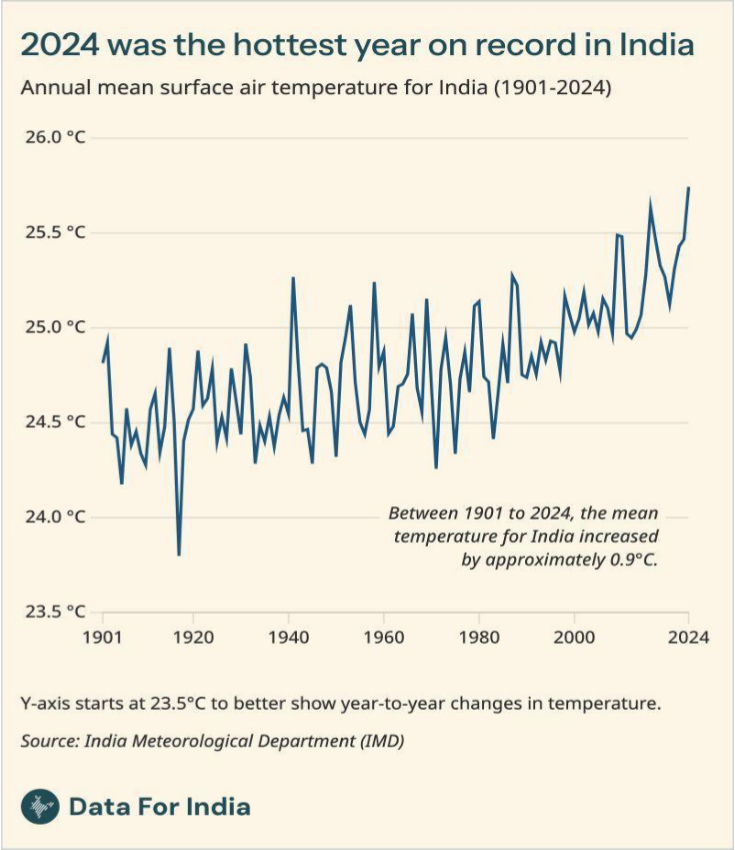
2.2 2024: a record-hot benchmark year
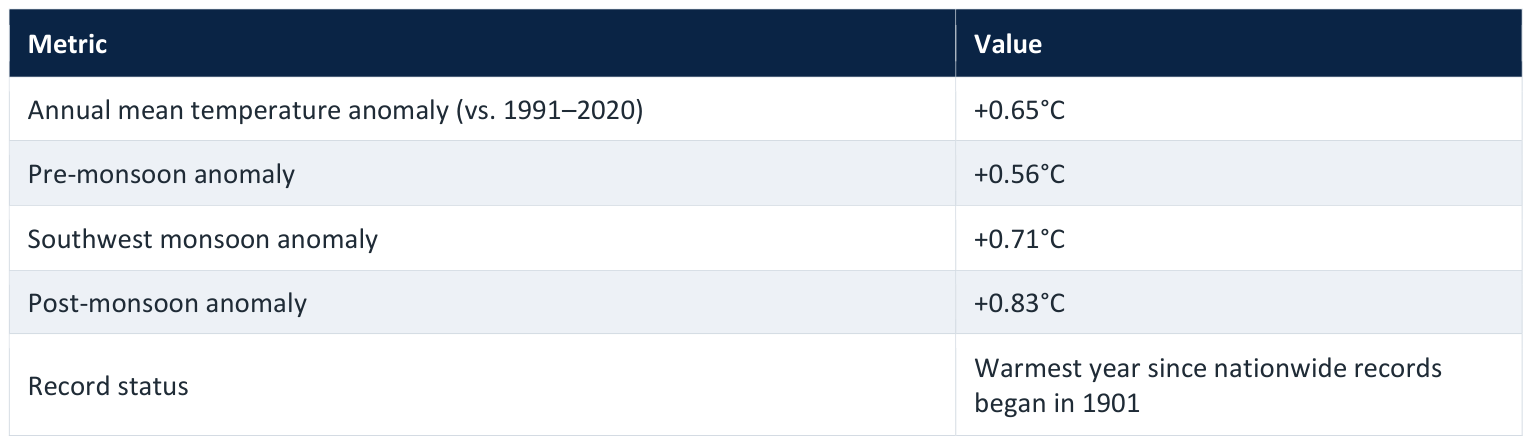
Source: India Meteorological Department, Annual Climate Summary 2024 [1]
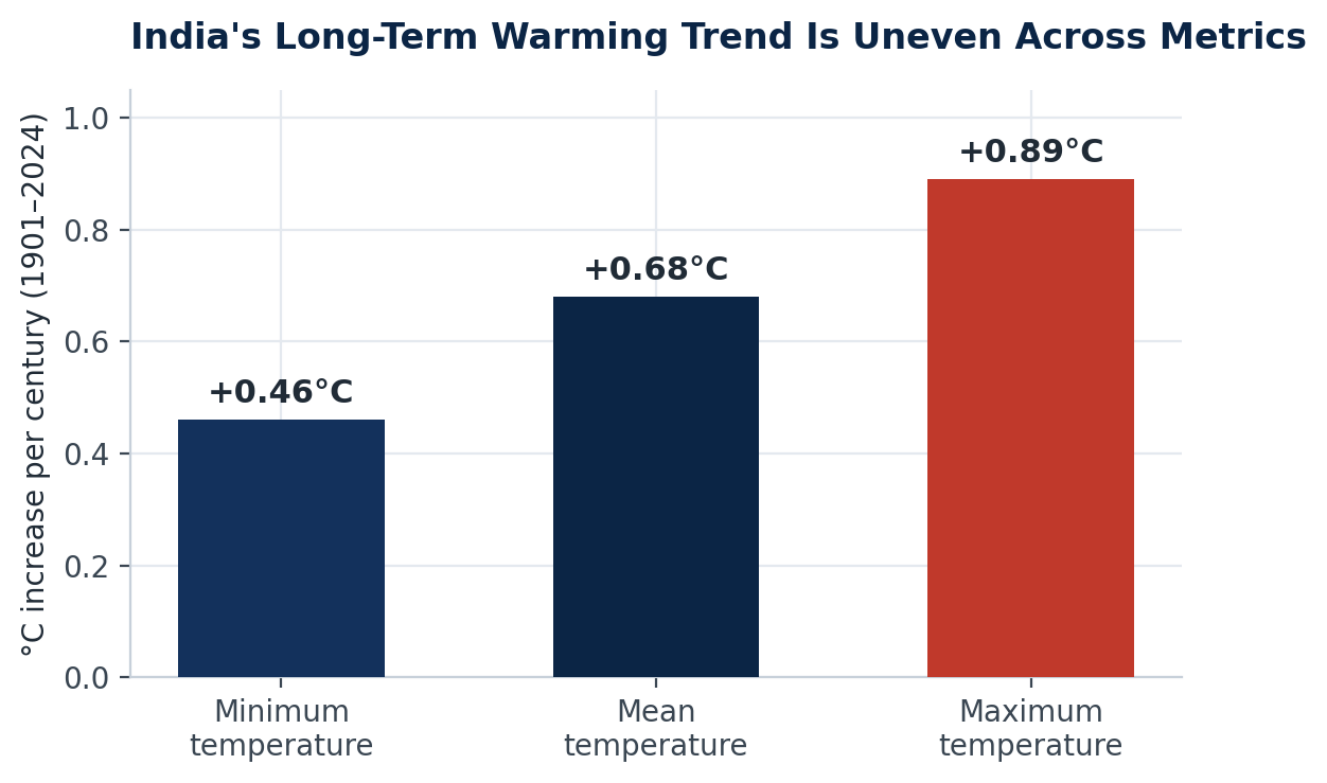
Exhibit 1. Maximum temperature is rising faster than mean and minimum temperature — the mechanism most relevant to outdoor and heat-exposed workers.
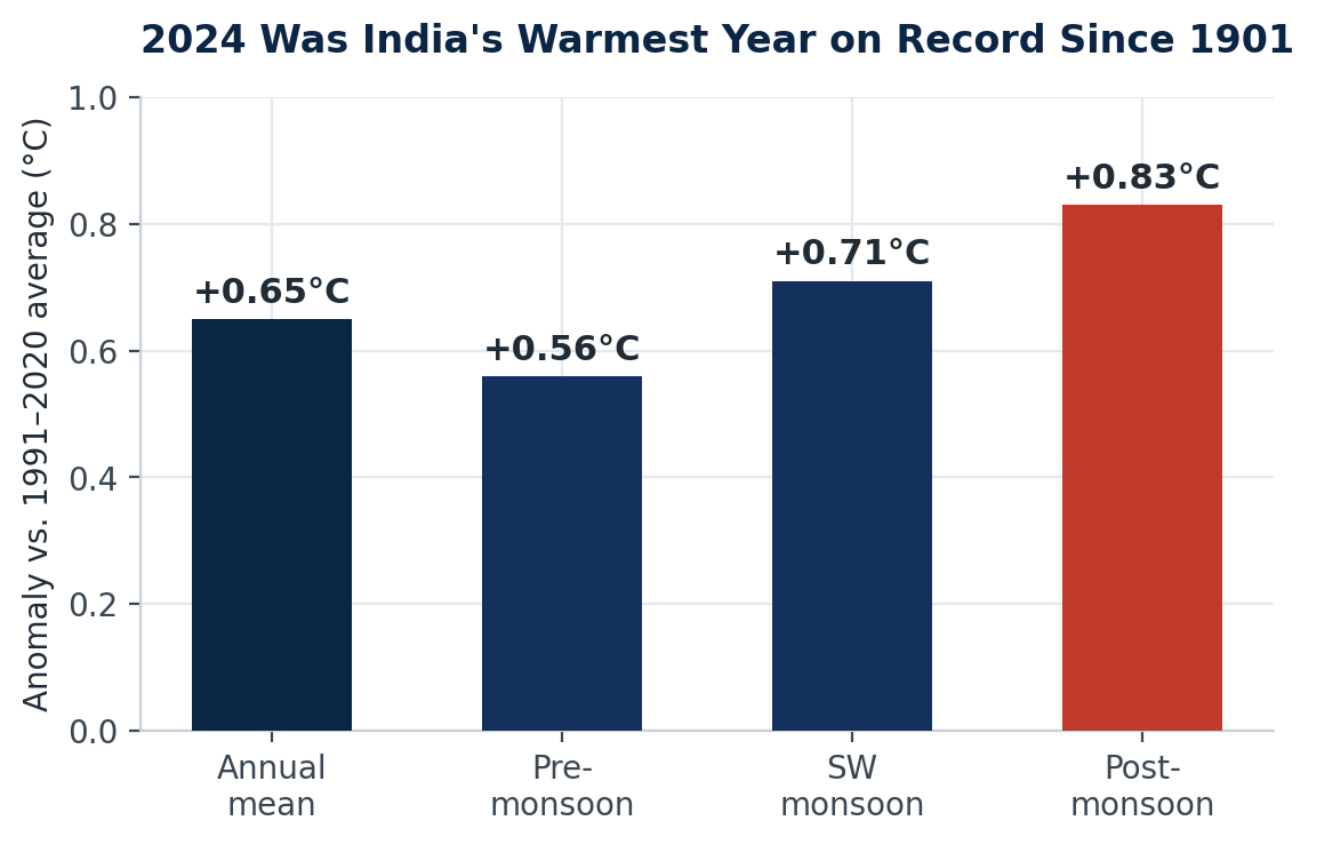
Exhibit 2. Every season in 2024 ran warmer than the 1991–2020 baseline, with the post-monsoon anomaly the largest.
3. Heat Risk Is Spatially Uneven
A national average masks large geographic differences. CEEW's 2025 assessment of 734 districts, using 35 indicators of hazard, exposure and vulnerability, found 417 districts (57%) in high or very-high heat-risk categories, covering ~76% of India's population. States with the highest aggregate heat risk include Delhi, Maharashtra, Goa, Kerala, Gujarat, Rajasthan, Tamil Nadu, Andhra Pradesh, Madhya Pradesh and Uttar Pradesh [2].
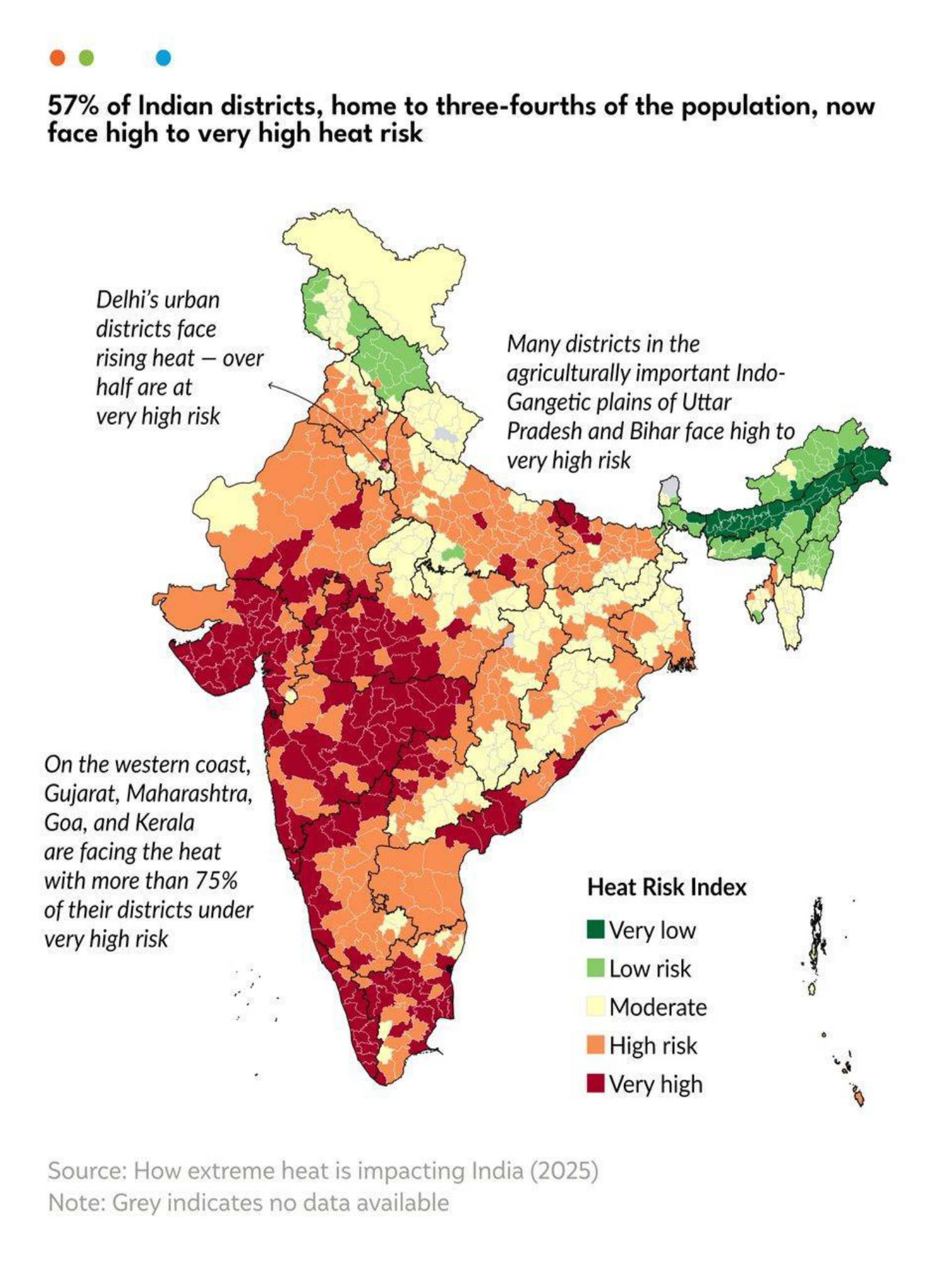

Exhibit 3. CEEW district-level heat-risk assessment, 2025.
Business implication
A single national temperature threshold is not a valid basis for risk policy. Location-specific temperature, humidity, workforce exposure and sector characteristics must drive facility-level heat-risk assessment.
4. Temperature Is Not the Same as Heat Stress
Air temperature is not equivalent to human heat exposure. Humidity impairs the body's ability to cool through sweating, so a location with lower air temperature can still generate substantial heat stress when humidity is high. CEEW's data shows rising humidity in parts of India and a particularly concerning increase in very warm nights [2], while WHO/WMO's 2025 technical guidance stresses that workplace heat stress carries physiological, socioeconomic and productivity consequences requiring occupational heat-action programmes tailored to specific work environments [6].
Indicators businesses should track
Air temperature
Relative humidity
Heat Index
Wet Bulb Globe Temperature (WBGT)
Duration of exposure
Physical workload
Access to shade/cooling
Worker acclimatisation
5. The Productivity Problem: From Discomfort to Measurable Output Loss
Indian manufacturing evidence
Somanathan et al. (2021), published in the Journal of Political Economy, combine worker-level evidence with a national manufacturing panel. Hotter conditions reduce worker productivity and increase absenteeism on hot days; climate control substantially mitigates the loss. In their national panel, annual plant output falls by approximately 2% for each 1°C increase in temperature [3]. This single estimate should not be generalised as a forecast for all of Indian manufacturing, it is specific to the panel and research design used but it establishes that heat can move from an anecdotal worker complaint to a measurable line in firm output.
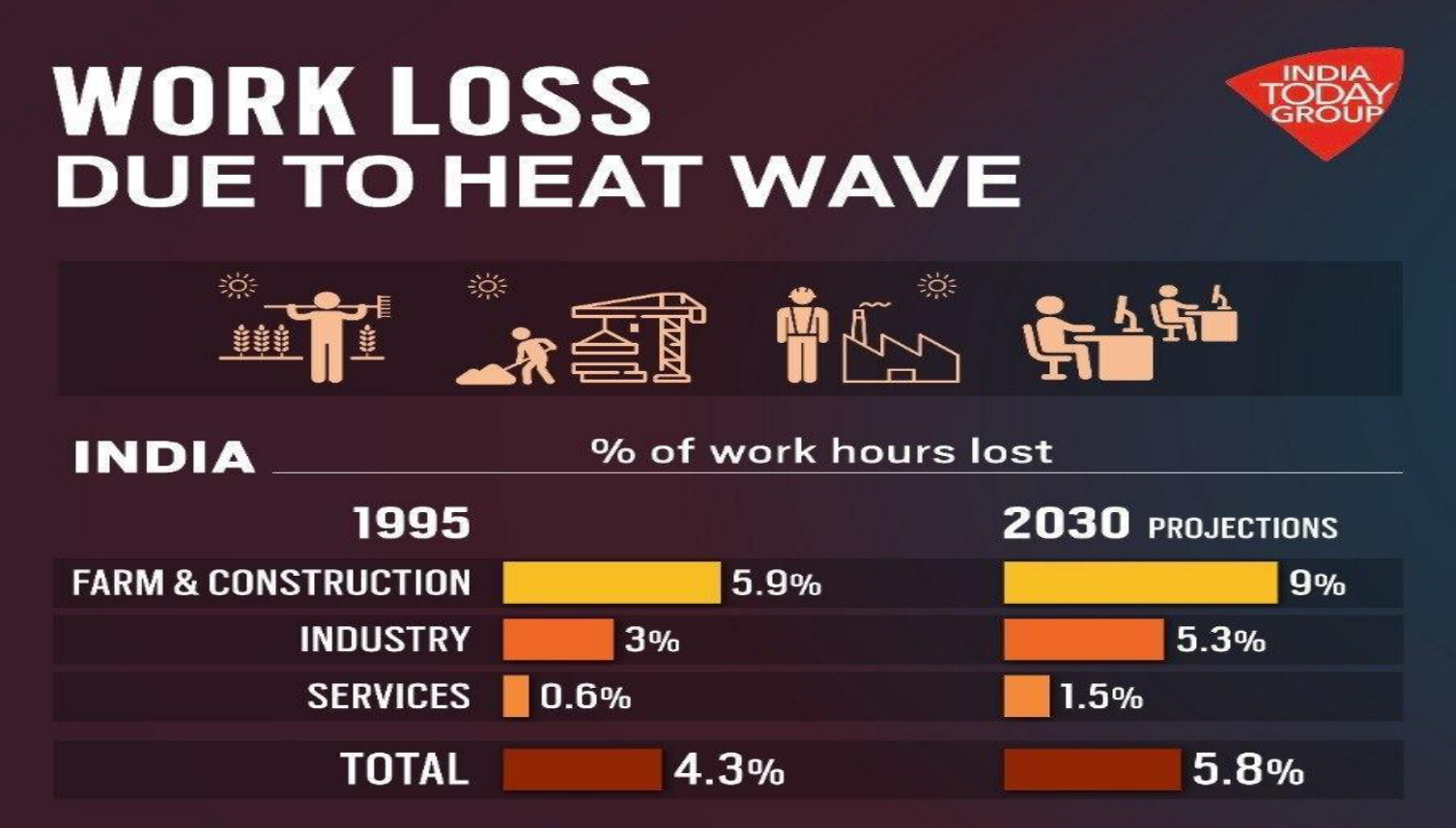
Source. International Labour Organization, INDIA TODAY Heatwaves and the economy May 20, 2022
6. Heat Affects Different Workers Differently
Venugopal et al. (2016) studied 442 workers across 18 Indian workplaces, spanning organised and unorganised sectors. 82% of workers were exposed to WBGT above recommended levels during hotter periods (vs. 42% in cooler periods); heavy workloads were significantly associated with heat-related health problems and reduced productivity, and outdoor workers were disproportionately affected [5]. This underscores that workforce exposure not the reading at the nearest weather station should anchor business risk assessment.
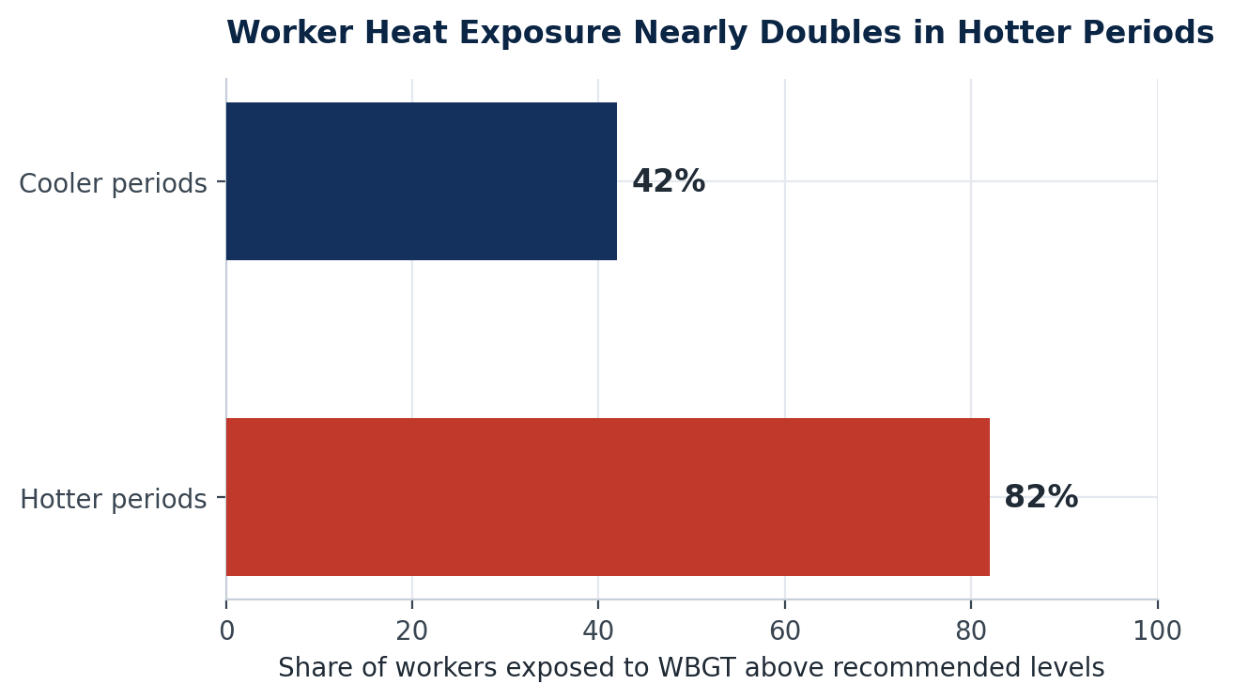
Exhibit 4. Venugopal et al. (2016) — share of studied workers exposed above recommended WBGT levels, by season.
7. Regional Evidence: Heat and Agricultural Productivity in West Bengal
Sahu, Sett & Kjellstrom (2013) monitored 124 rice harvesters (48 with continuous heart-rate monitoring), recording WBGT of 26–32°C at air temperatures of ~30–38°C. Hourly rice-bundle collection fell by approximately 5% for every 1°C increase in WBGT above 26°C, alongside reported exhaustion and pain [7]. The finding should not be extrapolated to every occupation, but it provides directly relevant regional Indian evidence of a measurable heat–productivity relationship outside manufacturing.
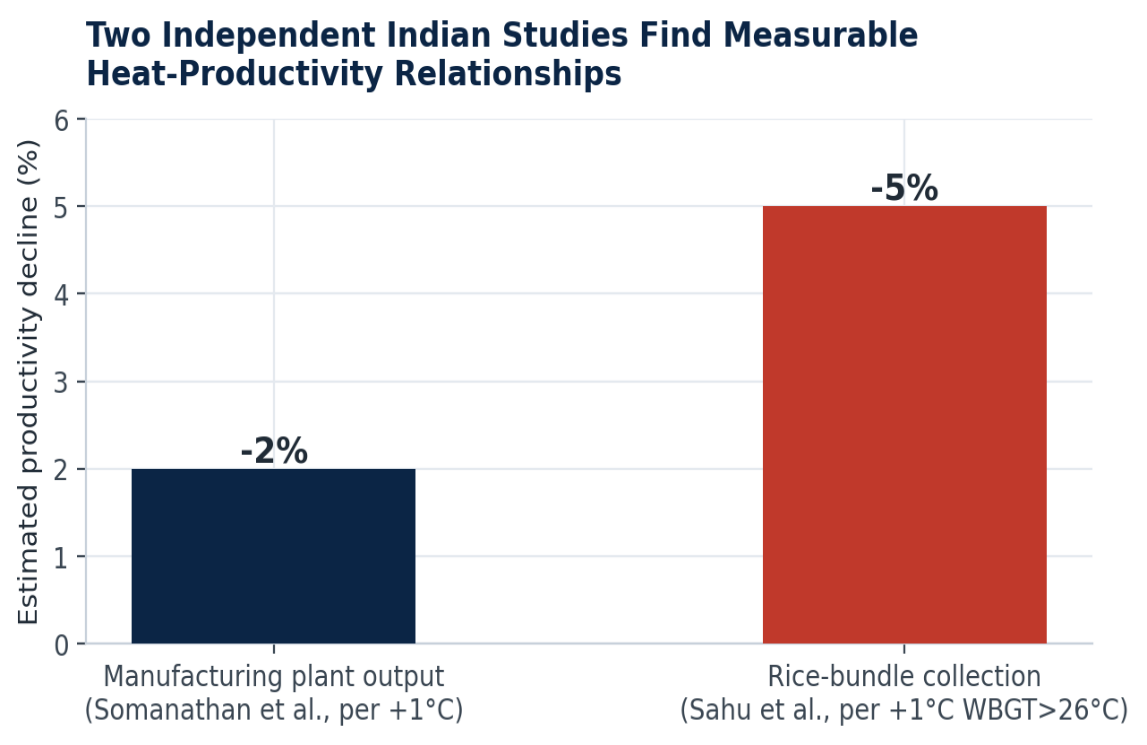
Exhibit 5. Independent estimates of heat-linked productivity decline across two Indian sectors.
Evidence at a Glance

8. Heat Is Already Changing Firm-Level Economics
Jasuja, Roychowdhury & Bosello (2026), using a large panel of Indian manufacturing firms, find that heat stress significantly reduces labour's share of firm sales, driven primarily by capital–labour substitution [4]. Heat does not simply mean firms produce less, it can change how production is organised.
The adaptation chain
Heat exposure → lower effective labour productivity → higher relative cost of labour → capital substitution / automation / process change → changes in employment composition and labour income.
Business implication
Heat adaptation has implications for investment strategy, technology adoption and workforce structure, not workplace safety alone. This elevates the topic from an EHS agenda item to a board-level capital-allocation question.
9. The Macroeconomic Business Risk
The World Bank's 2026 report, A Livable Future: Protecting Jobs and Growth from Extreme Heat in South Asia's Cities, frames the regional scale of the risk:
Extreme heat already costs South Asia the equivalent of nearly 31 million full-time jobs annually [9]
The region's economy could shrink by close to 7% by 2050 under the report's assessment [9]
By 2070, roughly 520 million people in South Asia could face at least one month of dangerous heat annually, about four times today's level [9]
The report links heat to jobs, labour productivity, businesses, infrastructure, public services, urban competitiveness and investment, and recommends heat-resilient infrastructure, heat-action plans, worker protection, sustainable cooling, early-warning systems, and public/private investment.
10. The Hidden Energy Cost of Heat
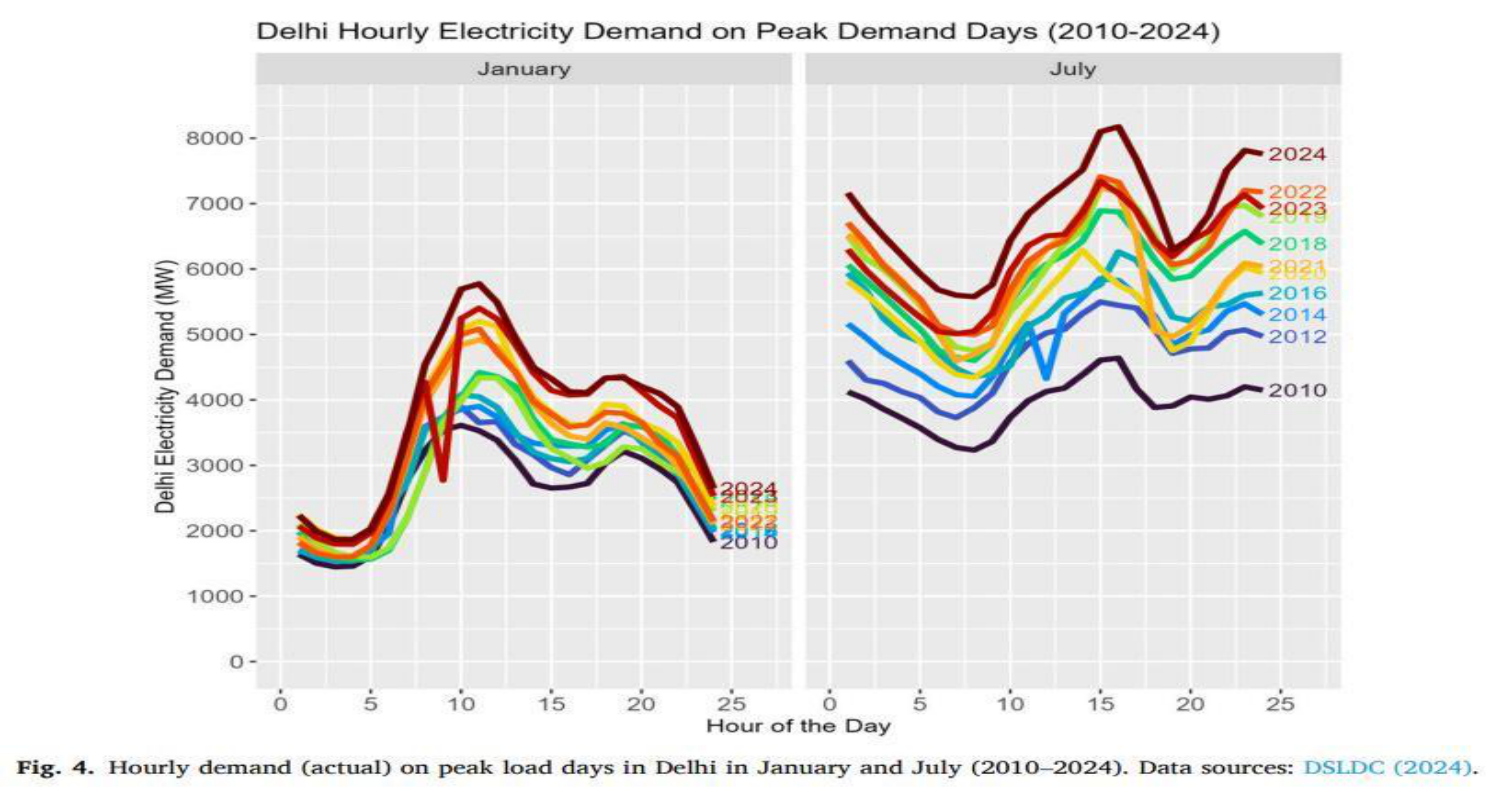
Businesses respond to heat by cooling more, which creates a feedback loop: higher temperatures → more cooling → higher electricity demand → higher opex → greater pressure on grid infrastructure → additional resilience requirements.
CSE's analysis of Delhi found that approximately 67% of daily peak electricity demand variation could be explained by the heat index (alongside adaptive comfort and lifestyle factors). Delhi's peak demand reached 8,656 MW in June 2024 and over 8,400 MW in June 2025, while energy consumption rose from ~2,200–2,300 MU in March 2025 to over 4,500 MU in June 2025 [8].
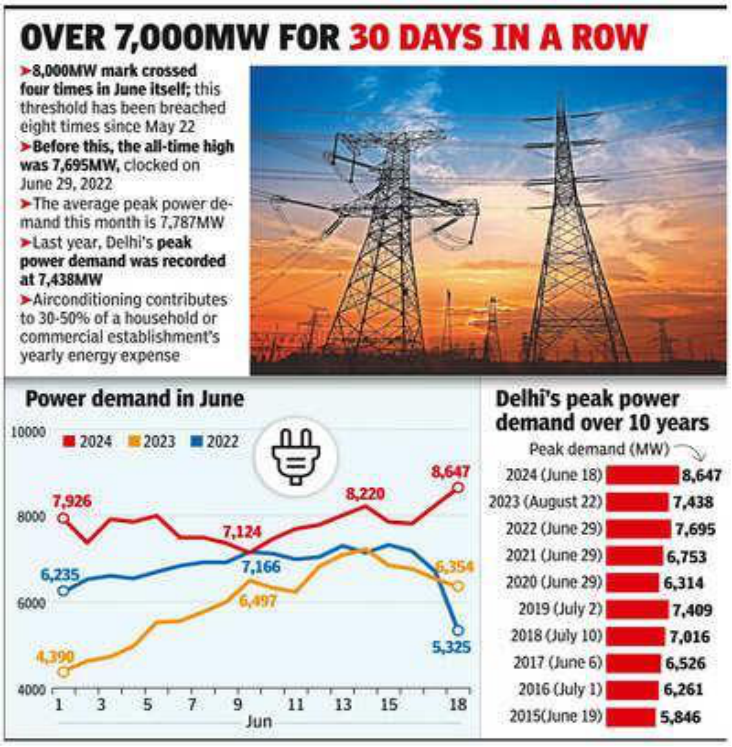
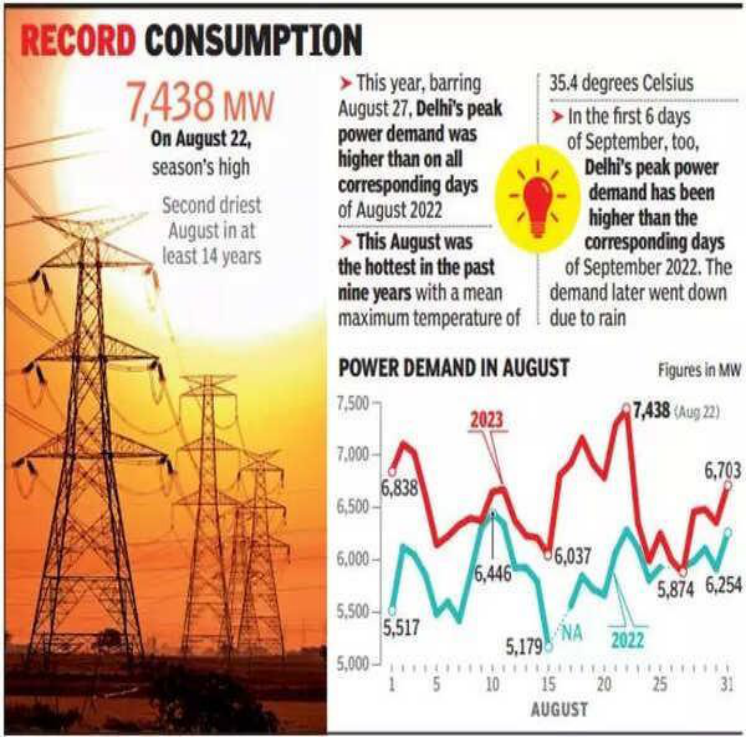
Source. Times of India Jun 19, 2024 & Sep 16, 2023
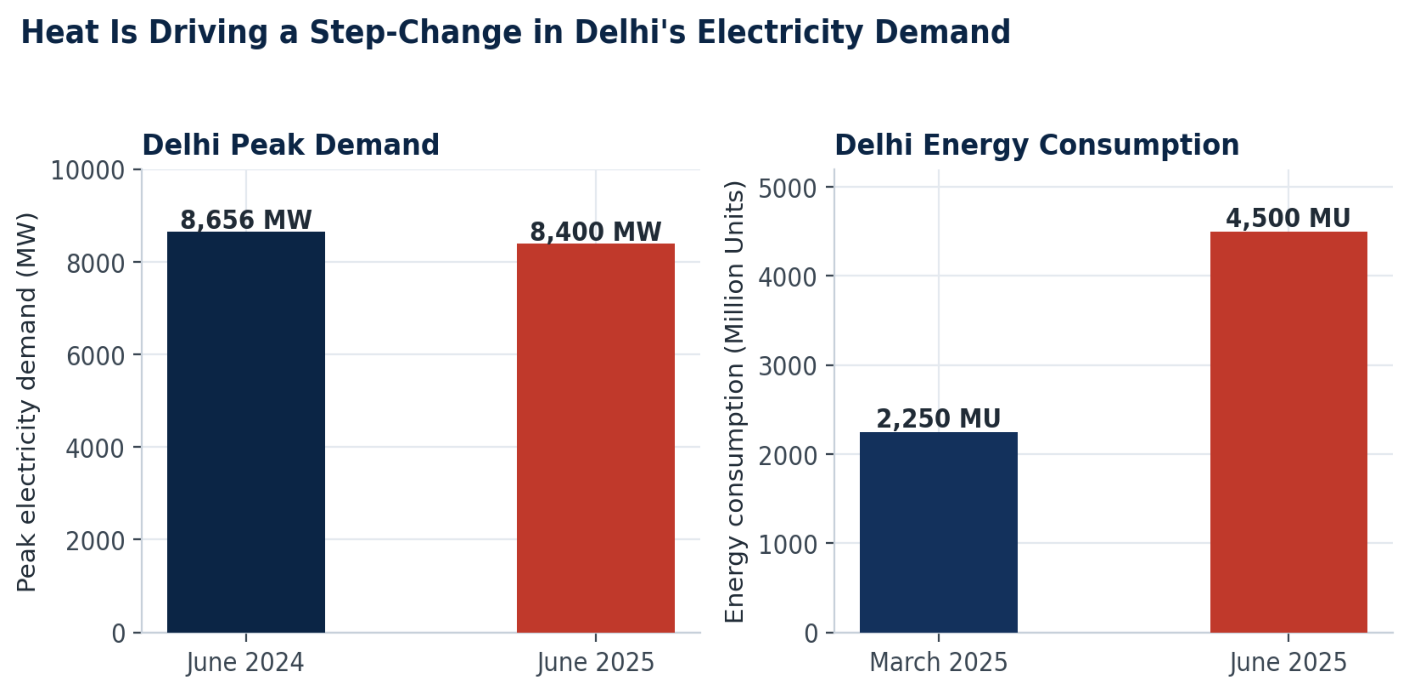
Exhibit 6. Delhi's peak demand and energy consumption both spike sharply in heat-affected months.
Strategic reframe
The objective is not simply “cool more.” It is: cool efficiently + target exposure + reduce heat gain + improve work scheduling.
11. Heat Is Also a Worker-Health Risk
WHO/WMO's 2025 workplace heat-stress guidance identifies risks including heatstroke, dehydration, kidney dysfunction, neurological impacts, reduced productivity and broader socioeconomic consequences [6]. Venugopal et al. documented heat rash, dehydration and heat syncope among exposed Indian workers [5]. The transmission chain: heat exposure → illness → absence → replacement/overtime → productivity loss → cost — is why heat management sits simultaneously within the Environmental, Social and Governance (ESG) agenda.
12. Regulatory Momentum: Government Response Is Moving Towards Workplace Heat Management
India's Ministry of Labour and Employment issued directions to States/UTs in April 2025 to mitigate extreme-heat impacts on workers [10], recommending:
Rescheduling working hours and flexible schedules
Adequate drinking water, ventilation and cooling
Rest areas and regular health checks
Emergency ice packs and heat-illness prevention materials
Slower work pace and two-person crews in extreme heat
Improved underground mine ventilation
Special attention to construction and brick-kiln workers
Heat management is shifting from an individual worker responsibility to a formal component of occupational risk management, a clear compliance and advisory trigger point.
13. Where Is the Business Risk Highest?
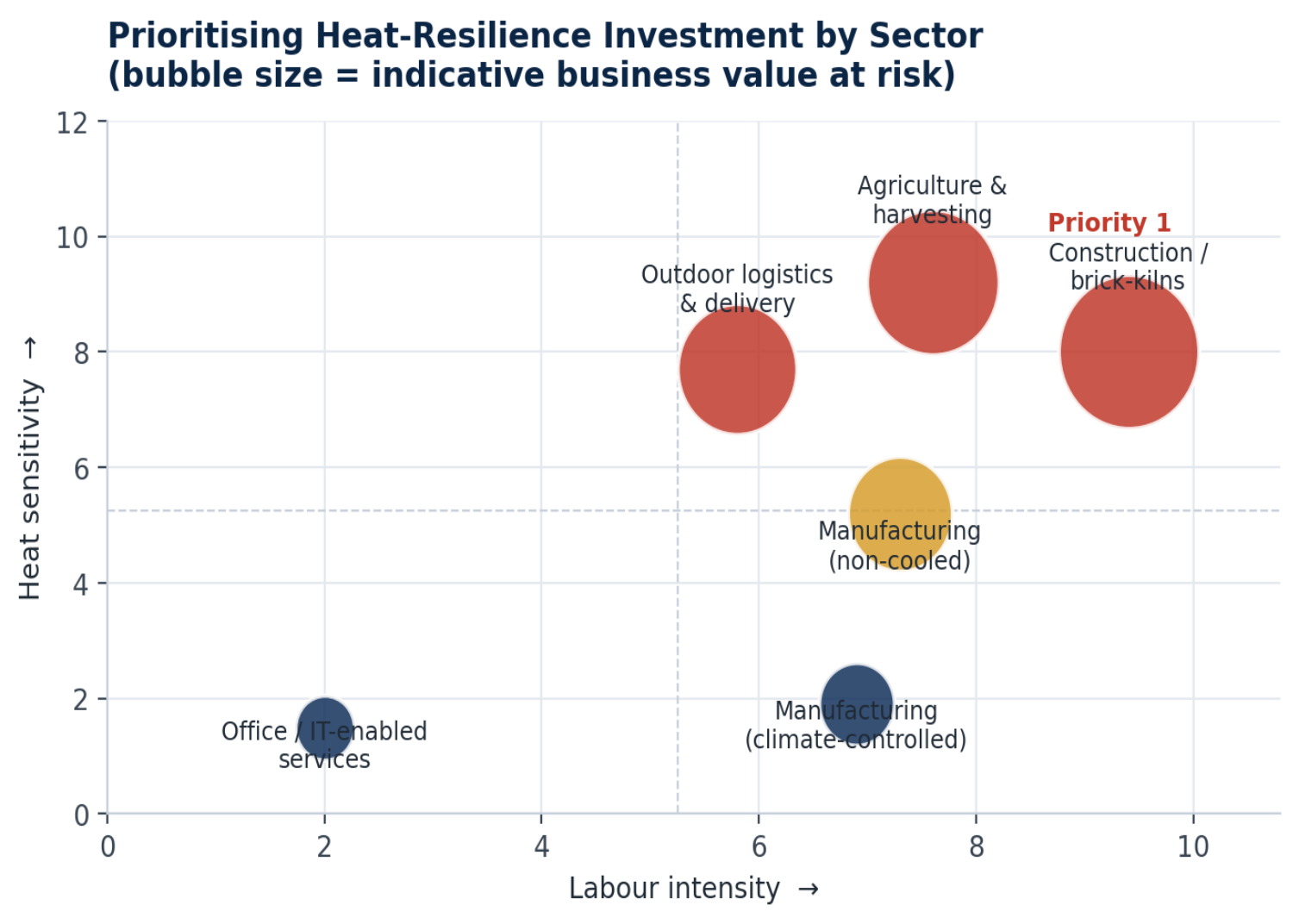
Exhibit 7. Sector prioritisation view — labour intensity vs. heat sensitivity, sized by indicative business value at risk.
Heat exposure alone does not equal financial risk. Business impact depends on at least four multiplicative factors:
Heat Risk = Exposure × Labour Intensity × Heat Sensitivity × Business Value at Risk
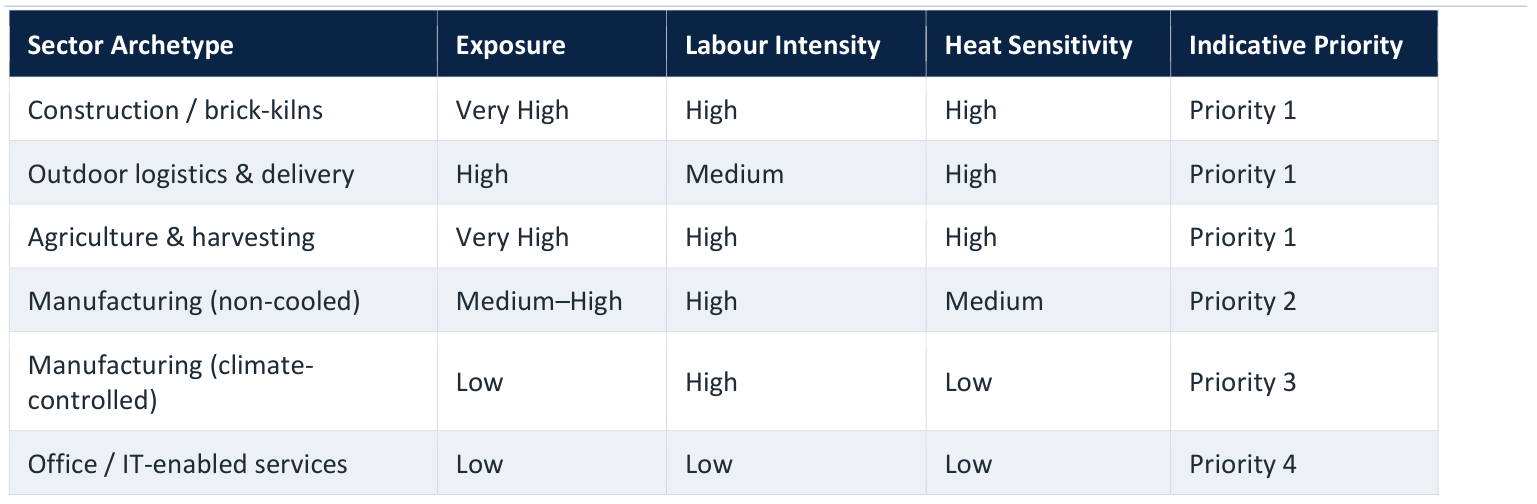
A blanket heat policy is unlikely to be optimal. Companies should prioritise the highest-risk locations, processes and worker groups first, the basis for a structured advisory diagnostic.
14. The Heat-Cost Transmission Model
A useful advisory framework moves through seven stages:
1. Climate signal — rising temperature, humidity and extreme-heat frequency
2. Workforce exposure — outdoor work, hot indoor environments, physical workload
3. Human response — fatigue, dehydration, heat stress, illness
4. Labour response — slower work, breaks, absenteeism, turnover
5. Operational response — lower output, delays, overtime, rescheduling
6. Financial response — higher labour, health and energy costs; lost revenue
7. Strategic response — cooling, scheduling, technology, infrastructure, insurance, analytics
15. What Should Businesses Do? A Five-Part Action Framework
PREDICT
Build heat-risk intelligence into operations: monitor IMD forecasts, heatwave warnings, temperature, humidity, WBGT/Heat Index and location-specific thresholds, shifting from reacting to heatwaves to anticipating operational heat risk.
PROTECT
Protect workers where exposure cannot be avoided: drinking water, shaded/rest areas, ventilation, cooling, appropriate PPE, acclimatisation, health monitoring and heat-illness training, consistent with Ministry of Labour 2025 guidance.
RESCHEDULE
Change when work happens earlier shifts, shorter exposure periods, additional recovery breaks, flexible schedules, worker rotation and avoidance of peak-heat windows often the lowest-cost intervention available.
COOL EFFICIENTLY
Treat cooling as an energy-management problem as well as a health intervention: cool roofs, insulation, shading, reflective surfaces, natural ventilation, efficient HVAC, smart controls, solar + storage, and targeted (not whole-facility) cooling.
MEASURE
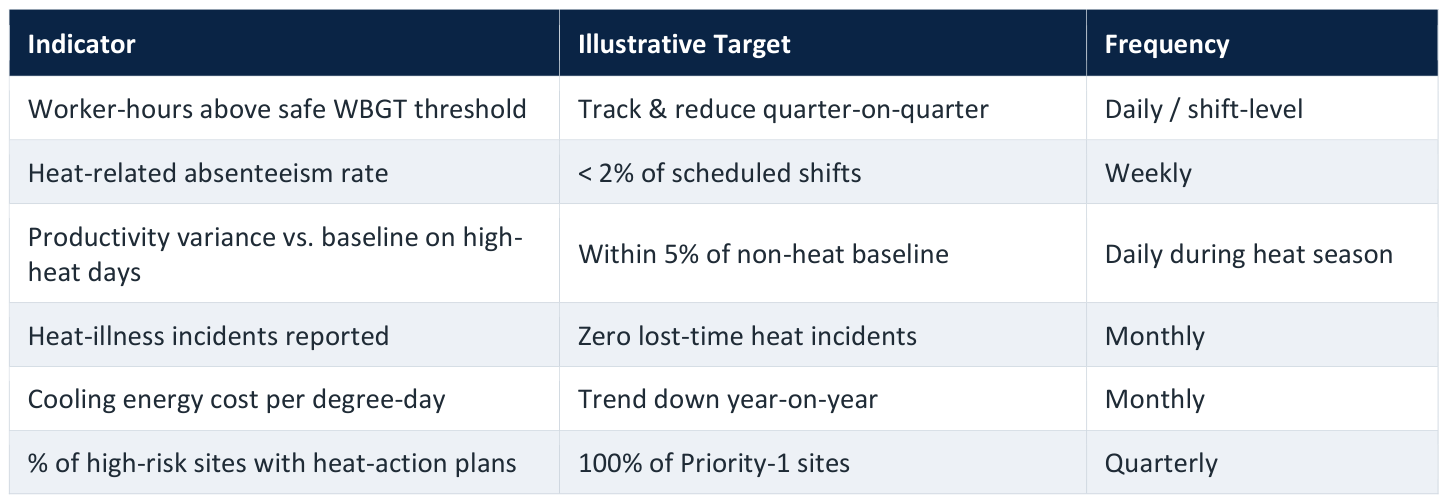
Track heat as a formal business KPI exposure hours, WBGT breaches, heat-related absenteeism, productivity variance and energy cost per degree-day to convert the topic from anecdote to management information.
Illustrative KPI Dashboard for the “MEASURE” Pillar
16. The Business Case: Illustrative ROI
There is no single, universally applicable Indian corporate “cost of heat” figure in the literature. Rather than presenting a fabricated national ₹ value, the correct advisory approach is to help each client calculate its own exposure. The worked example below is illustrative only not a measured Indian company and demonstrates the calculation logic a diagnostic engagement would replicate with client-specific data.
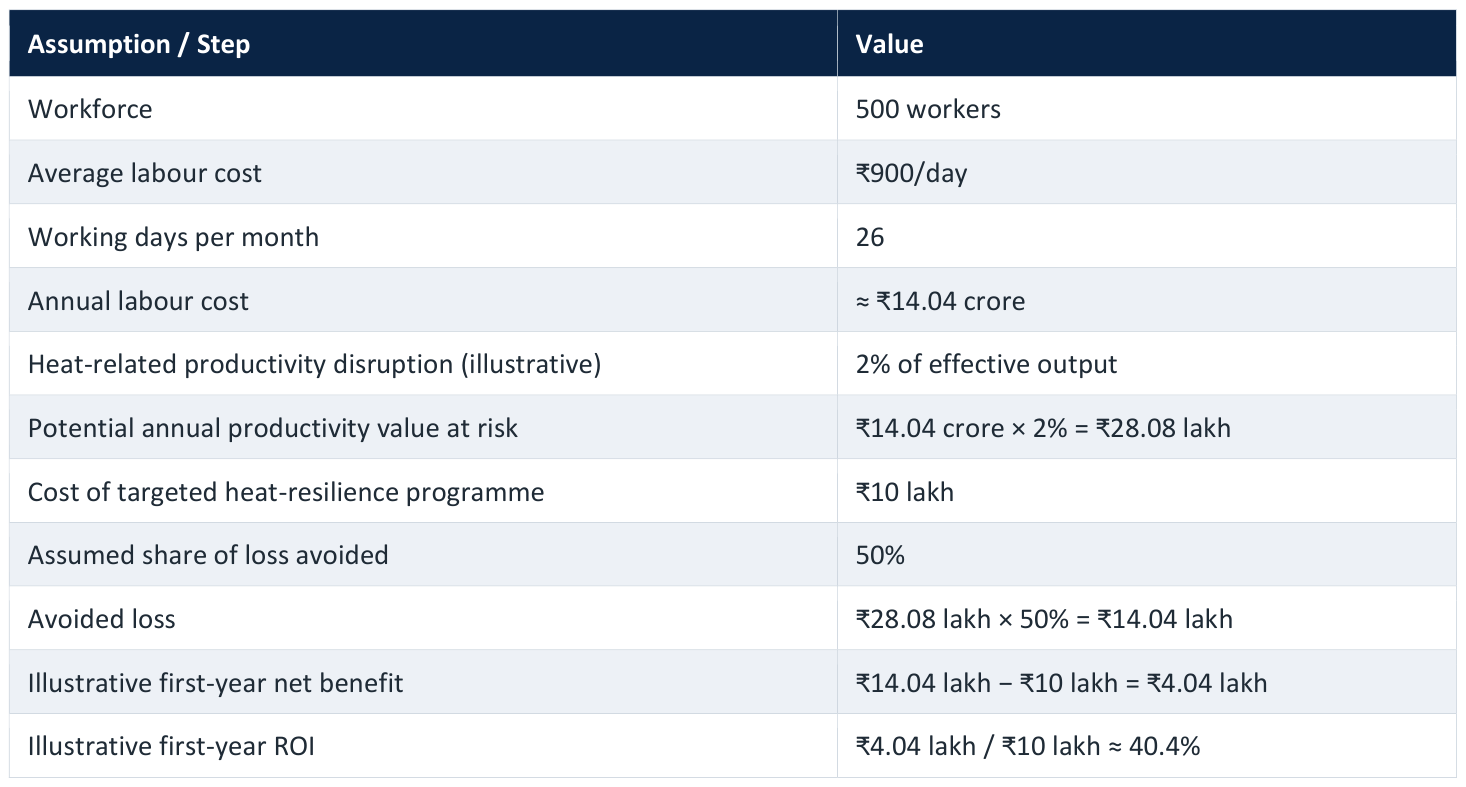
The calculation logic — exposure → productivity loss → value at risk → intervention cost → avoided loss → ROI — is the deliverable, not the specific numbers. Actual client ROI requires company-specific data on output, labour costs, heat exposure, energy consumption, absenteeism and intervention effectiveness, which is precisely the diagnostic an advisory engagement would collect.
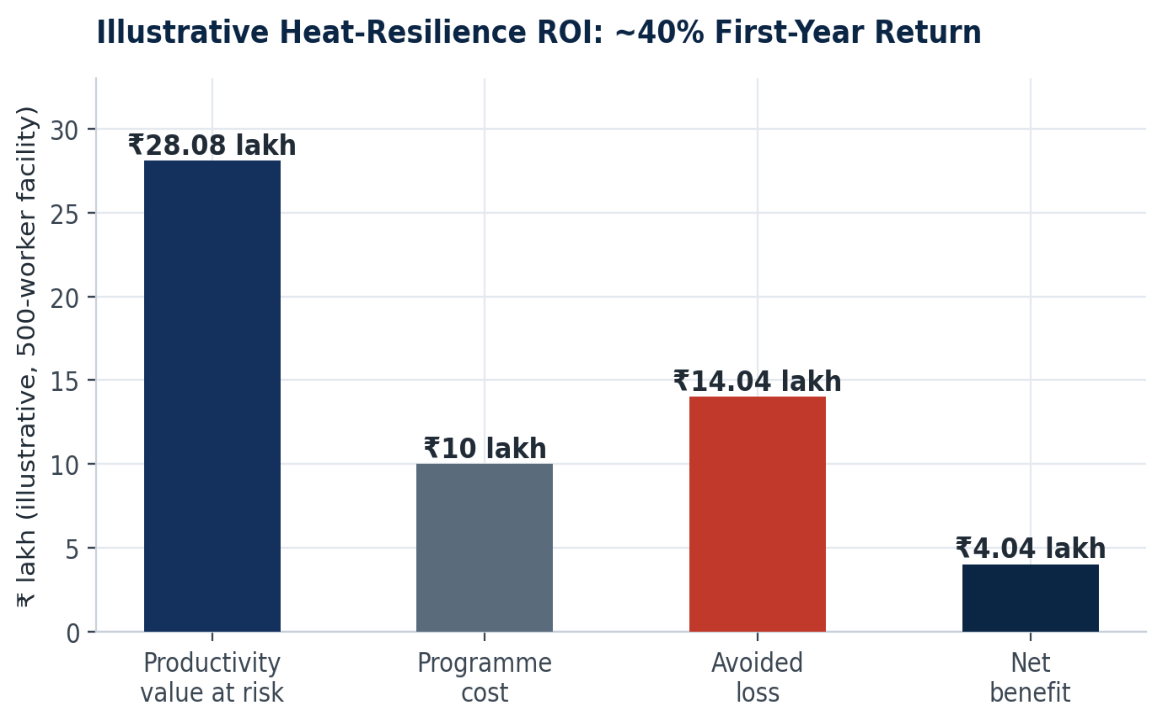
Exhibit 8. Illustrative ROI walk-through for a 500-worker facility (hypothetical figures for illustration only).
17. The Investment Logic: Prioritising Interventions
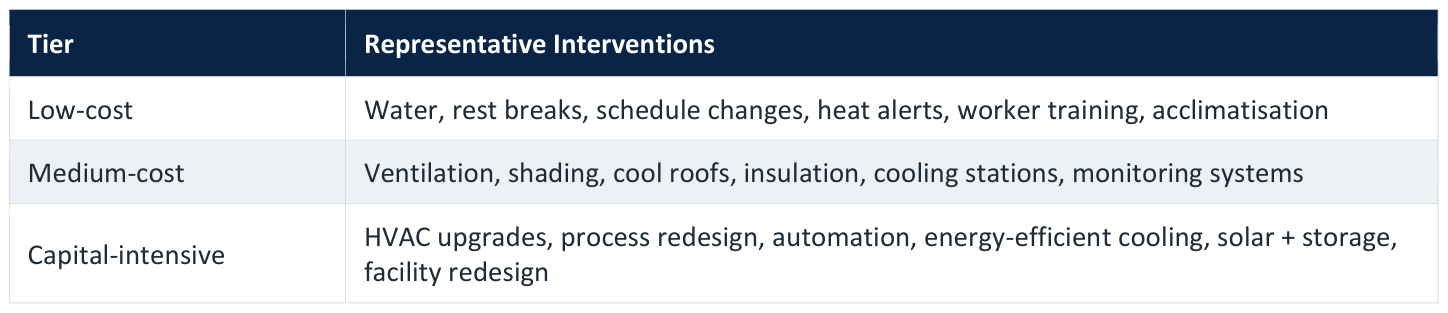
Prioritisation rule: Heat exposure × workforce exposure × productivity value × intervention cost — not simply “spend more on cooling.”
18. Strategic Opportunity: A New Advisory and Investment Market
The heat problem also creates new markets that a practice can build service lines around:
Climate-risk analytics and heat-risk mapping
IoT temperature/humidity and occupational heat monitoring
Smart cooling and cool-roof technologies
Energy-efficient HVAC and building retrofits
Renewable-powered cooling
Climate insurance and heat-risk advisory
ESG reporting and worker-safety technology
Heat resilience is therefore not only a cost-management problem for clients — it is a new business and investment opportunity the firm can help them capture, and a new advisory product the firm itself can sell.
19a. Key Takeaways for the Pitch
1. Heat is an operational risk
Evidence increasingly connects temperature with productivity, absenteeism and firm-level outcomes.
2. Exposure is not uniform across India
District-level analysis shows substantial spatial variation, making location-specific assessment essential.
3. Temperature alone is an insufficient metric
Humidity, night-time heat, workload and exposure duration all matter.
4. Productivity losses are measurable
Indian manufacturing and agricultural research finds significant, quantifiable heat–output relationships.
5. Firms may restructure production
Recent research finds evidence of capital–labour substitution under heat stress.
6. Cooling creates a second-order cost
Rising cooling demand drives an energy-management challenge alongside the health one.
7. Worker protection and resilience are linked
Protecting workers simultaneously protects productivity and continuity.
8. Heat resilience should be measured as an investment
The client question becomes: how much heat-related value is at risk, and what is the most cost-effective intervention to protect it?
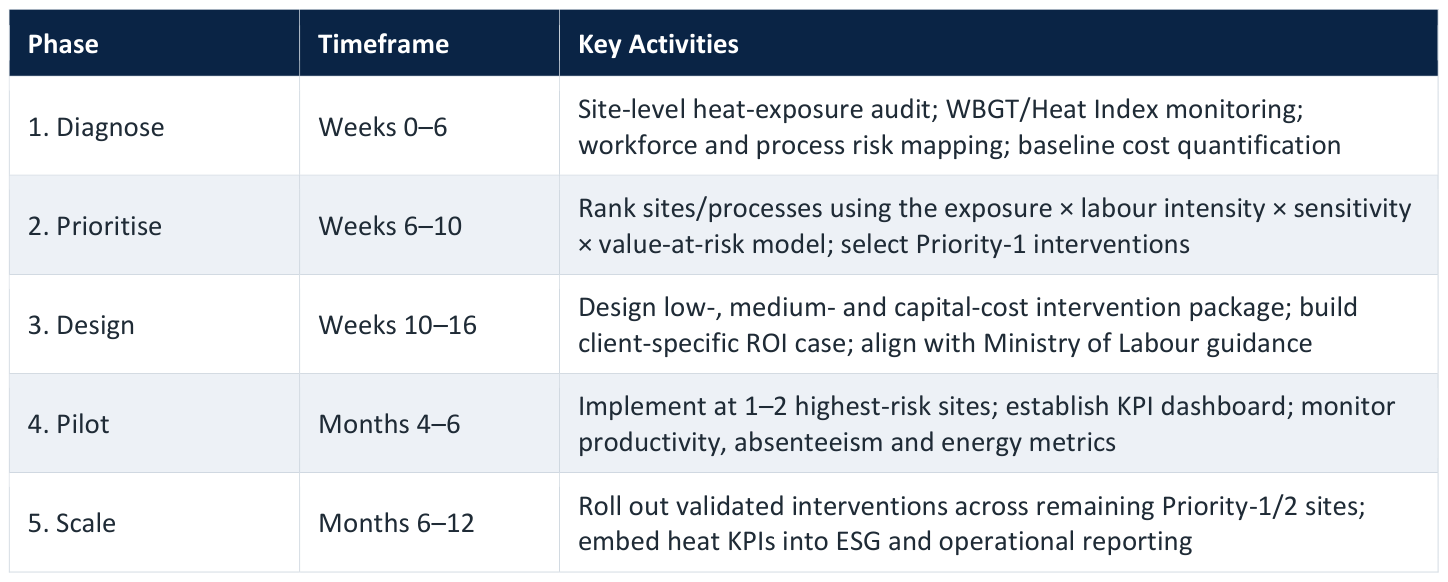
19b. Illustrative Client Engagement Roadmap
20. Conclusion: The Pitch
India's heat challenge is moving from a seasonal environmental issue to a business resilience issue. IMD's long-term observations show significant warming, with maximum temperatures rising faster than the mean [1]. Recent research demonstrates the consequences extend beyond discomfort: heat can reduce worker productivity, increase absenteeism, alter labour allocation, change production decisions and raise cooling-related electricity demand. The scale is potentially substantial, the World Bank's 2026 assessment places current South Asian heat-related employment impact at the equivalent of nearly 31 million full-time jobs annually, with significant macroeconomic consequences projected by 2050 [9].
For client organisations, the relevant question is not “How hot will India become?” It is: “Where is heat creating value at risk for our workforce and operations, how much does that risk cost us, and which resilience investments reduce it most efficiently?”
The advisory ask
Reframe heat resilience from a compliance and CSR activity into a measurable component of productivity, occupational safety, energy management, business continuity and long-term competitiveness — and position the firm as the partner that quantifies and closes that gap.
Selected References
[1] India Meteorological Department (IMD). (2025). Annual Climate Summary 2024.
[2] CEEW. (2025). How Extreme Heat is Impacting India: Assessing District-level Heat Risk.
[3] Somanathan, E., Somanathan, R., Sudarshan, A., & Tewari, M. (2021). The Impact of Temperature on Productivity and Labor Supply: Evidence from Indian Manufacturing. Journal of Political Economy, 129(6), 1797–1827.
[4] Jasuja, G., Roychowdhury, P., & Bosello, F. (2026). Heat stress and labour share: evidence from Indian manufacturing. UNU-WIDER Working Paper 88/2026.
[5] Venugopal, V., Chinnadurai, J. S., Lucas, R. A. I., & Kjellstrom, T. (2016). Occupational Heat Stress Profiles in Selected Workplaces in India. International Journal of Environmental Research and Public Health, 13(1), 89.
[6] WHO & WMO. (2025). Climate Change and Workplace Heat Stress: Technical Report and Guidance.
[7] Sahu, S., Sett, M., & Kjellstrom, T. (2013). Heat Exposure, Cardiovascular Stress and Work Productivity in Rice Harvesters in India. Industrial Health, 51(4), 424–431.
[8] Centre for Science and Environment (CSE). (2025). How Delhi is Losing its Cool: Heat and Rising Demand for Cooling and Electricity Consumption.
[9] World Bank. (2026). A Livable Future: Protecting Jobs and Growth from Extreme Heat in South Asia's Cities.
[10] Ministry of Labour & Employment, Government of India. (2025). Measures for Effective Management and Mitigation of Adverse Effects of Extreme Heat Waves on Workers and Labourers.
Useful primary-source links
IMD — Annual Climate Summary 2024
World Bank — Extreme Heat Puts South Asia's Jobs and Growth at Risk
CEEW — Assessing District-level Heat Risk in India
Somanathan et al. (2021), Journal of Political Economy
Jasuja, Roychowdhury & Bosello (2026), UNU-WIDER
Venugopal et al. (2016), IJERPH
Sahu, Sett & Kjellstrom (2013), Industrial Health
CSE — How Delhi is Losing its Cool
Ministry of Labour & Employment — Extreme Heat Measures for Workers